“Before I came here, I didn’t care about anything. I didn’t want anything. It’s really…desolate, not wanting anything.” — Rowan
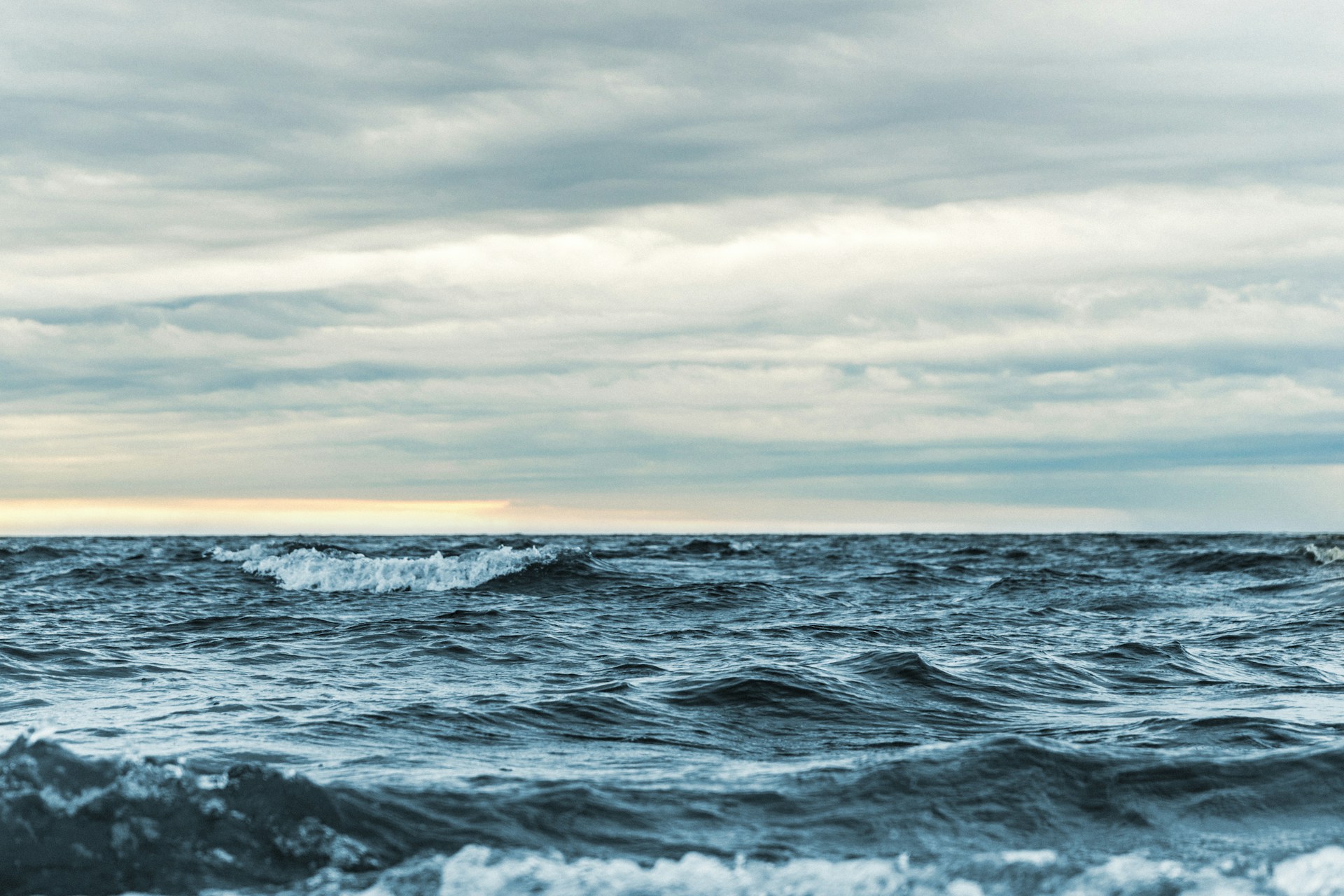
Featured Photo by Ant Rozetsky on Unsplash
Spoilers Ahead
This book is for the Yearners™️ who don’t want to be Yearners and don’t think of themselves in that way but, deep down…we all want something, right? Whether it’s a person or people, a place to belong, a break from it all, world peace, or something else entirely.
Honestly, one thing that gets me about Charlotte McConaghy’s books are the covers. When I first saw Once There Were Wolves, I became obsessed with the title and the cover for months until I finally took a chance on it. That book was a nice enough read even if the protagonist annoyed me with decisions that didn’t fit someone of her intelligence and life experience; listening to the audiobook made the experience very entertaining, as Saskia Maarleveld’s accents for different characters are great.
So when Wild Dark Shore was announced, I decided why not check it out? I liked her previous book and do intend to get around to Migrations whenever I chop away at some more of my TBR list. Might as well see what this one’s about.
Wild Dark Shore is essentially about a woman, Rowan, who washes up on the shore of an island near Antarctica. This island is home to a lighthouse where a family of four lives. The family tries to figure out who Rowan is and what motivated her to make the dangerous journey there, and once they have the answers to those questions, it’s now the reader’s turn to figure out whether Dom, the father of the family, has killed her husband, Hank—the person she came to the island to find.
Is that a spoiler? I lean toward “no”; it’s hinted at pretty early in the story and is basically what much of the plot’s mystery hinges on. A lot of the plot is powered by misunderstandings, lies, and omitted information. I don’t hate these types of plot motivators if they are resolved fairly quickly, but things start getting so tangled up by the end because everyone is hiding stuff from each other that it becomes aggravating.
However, a plus: The relationship Dom has with his kids is a nice change of pace for me—someone who’s read many works that have fucked-up or nonexistent father-child relationships—in that maybe he’s not a super-great dad who knows exactly what to do and always makes the right choices for his children, but you at least know he’s genuinely doing his best. Which is not easy when you’re still actively grieving the other parent and can’t move on. His parenting mistakes are big factors in several of the misunderstandings that happen, but we get the sense that this isn’t occurring maliciously; he’s one of those many men who has never had to truly process his emotions or anyone else’s, which causes a lot of unintended pain.
He does grow and understand his errors as the narrative progresses, and it’s fascinating and almost liberating to see a man so hardwired into certain behaviors realize that his current approach is not working and make a real effort to change for the well-being of his loved ones. If only there were more men like this not stuck within the pages of a book.
This book has a “loose” writing style. Lots of run-on sentences and comma splices and stream-of-consciousness type writing. I can see the appeal of doing this for depicting a certain character’s thought process or mood, but this seems to be the author’s overall style, as it’s used in every character’s perspective. I don’t love it, and I can’t say if Once There Were Wolves was written this way since I listened to the audiobook, but it’s not so distracting that it obscures information or the narrative itself. Still, sticklers for grammar (and you kind of have to be when you’re an editor…) may have a time while reading this.
Climate change is a big theme in McConaghy’s books, and it’s physically embodied here through Rowan. It’s her persisting fear/lack of desire in having children because it’s unethical to subject them to a dying world, and her not wanting to become attached to things that can one day be destroyed by “drowning, burning, or starvation.” She has a very bleak outlook of the world and its future, which is a trait she shares with her husband Hank, though they aren’t compatible in pretty much any other sense. This mindset is also partly fueled by a huge Australian wildfire that she survived but lost almost everything to. She, too, does plenty of her own growing throughout the book, learning that it’s better to love things wholeheartedly than only accept bits and pieces of love to shield yourself from pain.
Like the protag of Once There Were Wolves, Rowan makes unwise decisions, one of which ultimately ends tragically. Her persisting attachment to and desire to save Hank despite his grotesque behavior baffles me. I think we’re meant to sympathize with him at least a little bit because other characters keep stating that he’s unwell or psychotic. He’s having a mental health episode and he just needs some help, don’t you see? Despite my affinity for (well-thought-out) depictions of mental illness in fiction, this angle falls flat for me because it doesn’t do much to humanize mental illness or explore the real symptoms and “whys” of mentally ill behaviors. We never find out what he might be suffering from, exactly what it stems from, or how it’s damaging to himself; the possibility of mental illness is just brought up whenever we need to feel sympathy for him again. I assume this is done to tie into the concept of “All living beings have worth and it’s immoral to let them die if you could help them—even if it’s a person who is an abusive predator,” but I remain unmoved.
Many ridiculous decisions from different characters throughout the book act like a cascade of dominoes leading up to the chaotic events of the ending. I’ll go ahead and say that while the overall thought of it is moving—a parent’s unceasing love for their children and how’d they give up their life for them—I don’t like that Rowan is the one who makes this sacrifice, knowing her history and values. She’s never wanted kids (but that’s also complicated) yet she meets a group of them living on this island and decides she’s willing to die for them after just a few months of knowing them and their dad. It almost feels like the story is saying to her, “You will be made into a mother whether you understand if you really want it or not, and you will be grateful for it in the end.”
The kids themselves are fine characters; I like Raff and Fen and seeing how they deal with the different types of grief they hold. I find Orly very tedious, but he’s a little kid, so some annoying behavior is to be expected. I don’t love his chapters where he explains different plants; it’s pretty hard to believe that a nine-year-old would be an expert in so many types of botanicals and animals. It’s implied that he knows all or most of the seed types stored in the seed vault, that no one else still alive on the island besides Hank knows as much as he does, but aren’t there millions in there? That would be difficult even for an adult to do. There’s also significant emphasis placed on them needing to save only useful, common seeds from the vault that can be used to extend humanity’s food resources once the world starts dying, but then Orly decides to pick only the ones he wants—and when they find out, somehow that’s all okay. Alrighty then.
All in all, the events of the great majority of this book are like the calm before the end of the world. You know what’s coming if humans worldwide don’t get their shit together and stop abusing the environment—and they won’t, because most are too self-involved to care—but for the time that’s present and that remains, you want to see these characters have some sort of happiness and peace.
It’s like the song Die with a Smile. The end is inevitable, no matter how it happens or how far off in the future it is, but let’s enjoy each other while we can and hold each other when it comes.
Pick up this book if you like:
- Ecofiction/climate change narratives
- Strong yet complicated familial relationships + found family
- Seaside settings
- “We shouldn’t but we will”-type romances
- Supernatural elements (namely ghosts)
- Bittersweet/tragic endings
Pass it by if you don’t want to read about:
- Little kid characters. lol
- Lots of talk about pregnancy, parenthood, and having/raising kids
- Guilt-tripping women over not having/wanting children
- Child death
- Less “grammatically standard” writing styles
- First-person narratives, mixed POV (such as first and third), or multiple character perspectives

Leave a comment